How to Review Your Channel Every Month and Improve
 CreatorPlaybook Team
- 25 Oct, 2026

A monthly channel review is the difference between uploading and improving. Without a review, creators repeat the same mistakes, chase the same ideas, and wonder why growth stalls. With a simple monthly review, you can see what worked, what did not, and what to change next month, in less than an hour.
Related guides: How to Script a YouTube Video, Lighting Setup on a Budget for YouTube Videos, and How to Repurpose One Video into Shorts, Reels and Posts.
What You Will Learn
- How to run a monthly review in under an hour
- Which numbers to check, and which to ignore
- How to find your best and weakest videos
- How to review titles, thumbnails, and hooks
- How to set three clear improvements for next month
- How to track progress over several months
Step 1: Set a Fixed Monthly Review Time
What to do: Choose one day each month, such as the first Saturday, for a 45-minute review. A fixed time turns review into a habit, instead of a task you postpone.
How to do it in simple steps:
- Pick a day and time, and add it to your calendar.
- Gather YouTube Studio, your content plan, and a notebook.
- Review the last month only, not your whole channel history.
- Write your findings down, so next month’s review can compare them.
Practical example: A creator reviews on the first of each month, with coffee and a simple template. After three months, they can see a clear pattern: tutorials outperform vlogs, and shorter intros retain better.
Common mistake to avoid: Reviewing only when growth feels bad. Reviews are most useful when done regularly, including in good months, so you learn what to repeat.
Illustrative image: A fixed monthly review turns guesswork into a habit. This is an illustrative image, not a screenshot of your channel or another creator’s work.
Step 2: Check Growth, Watch Time, and Subscribers Together
What to do: Look at views, watch time, and subscribers gained together, for the last 28 days. One number alone can mislead; together, they show whether your channel is growing healthily.
How to do it in simple steps:
- Note views, watch time, and subscribers for the last 28 days.
- Compare each with the previous 28 days.
- Ask which changed most, and why.
- Note whether growth came from new videos, old videos, or Shorts.
Practical example: Views are up, but subscribers are flat. That suggests videos attract clicks but do not convince viewers to stay, so the next month’s focus is stronger calls to subscribe and follow-up videos.
Common mistake to avoid: Celebrating a single viral video while ignoring falling watch time. A healthy channel grows steadily, not only in spikes.
 Illustrative image: Views, watch time, and subscribers together show real growth. This is an illustrative image, not a screenshot of your channel or another creator’s work.
Step 3: Identify Your Best and Weakest Videos
What to do: List your top three and bottom three videos from the month, by views and by watch time. Patterns in these lists reveal what your audience wants more of, and less of.
How to do it in simple steps:
- Sort videos by views, then by watch time, for the month.
- Note the topic, format, and length of each top video.
- Do the same for the weakest videos.
- Look for a pattern: topic, title style, thumbnail, or length.
Practical example: A creator’s top videos are all step-by-step tutorials under 10 minutes, while longer opinion videos perform worst. Next month, they plan three tutorials and one opinion video, instead of the reverse.
Common mistake to avoid: Judging videos only by views on day one. Some videos grow slowly through search, so check 28-day performance, not first-day spikes.
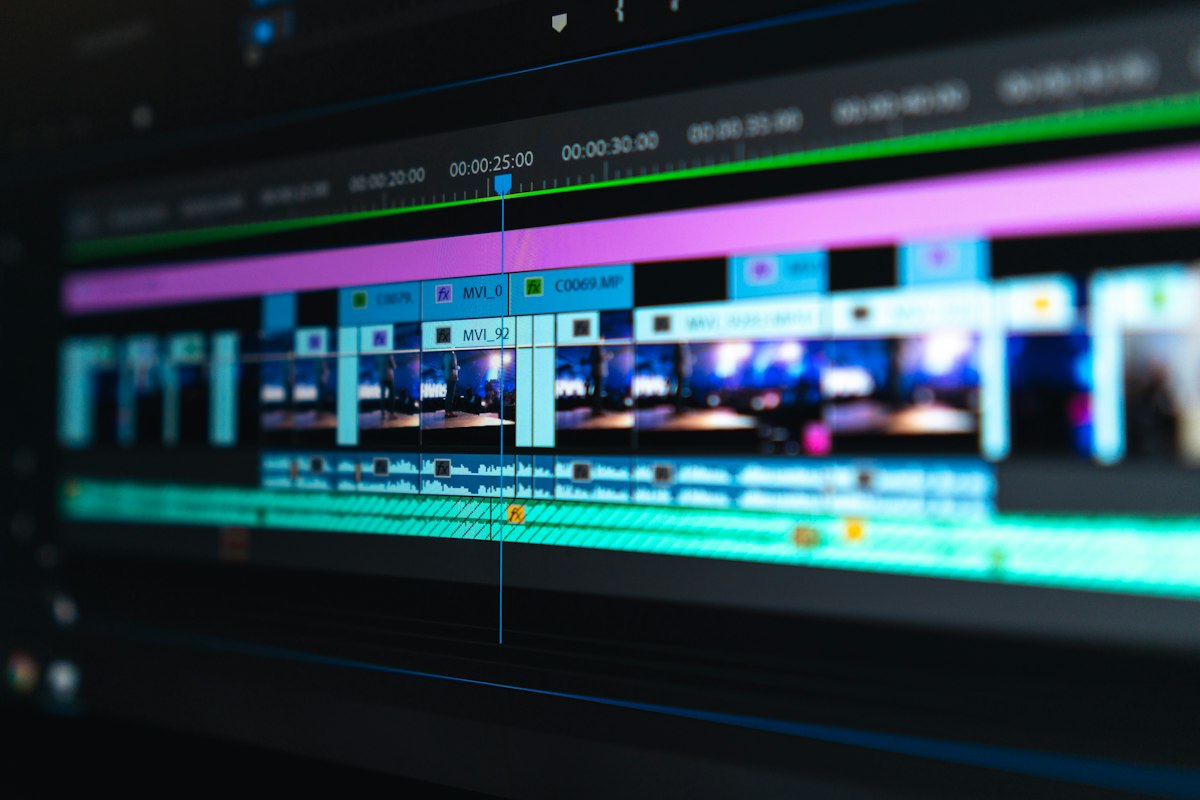 Illustrative image: Top and bottom videos reveal patterns worth repeating or dropping. This is an illustrative image, not a screenshot of your channel or another creator’s work.
Step 4: Review Titles, Thumbnails, and Hooks
What to do: Review how viewers first meet your videos: title, thumbnail, and first 30 seconds. Small changes here often improve performance more than re-editing a whole video.
How to do it in simple steps:
- Check click-through rate for each video, in context of its traffic source.
- Look at retention in the first 30 seconds for top and weak videos.
- Note which titles and thumbnails promised clearly, and which were vague.
- Choose one title or thumbnail habit to improve next month.
Practical example: A creator finds thumbnails with a clear before-and-after image outperform text-heavy thumbnails. Next month, all thumbnails use one clear image and few words.
Common mistake to avoid: Changing titles and thumbnails every day based on tiny changes. Test one clear change, wait a week, then judge it.
 Illustrative image: Titles, thumbnails, and hooks are often the fastest improvements. This is an illustrative image, not a screenshot of your channel or another creator’s work.
Step 5: Review Your Schedule and Energy, Not Just Numbers
What to do: Ask whether your upload schedule was realistic, and whether you enjoyed making the videos. A review that ignores energy leads to burnout, even when numbers look good.
How to do it in simple steps:
- Note how many videos you planned versus published.
- Note which videos were enjoyable to make, and which felt like a chore.
- Check whether batching, breaks, or simpler formats would help.
- Adjust next month’s schedule to fit real life, not ideal life.
Practical example: A creator planned eight videos but published five, and felt exhausted. Next month, they plan five, publish all five, and enjoy the process again. Consistency returns, and so does growth.
Common mistake to avoid: Setting next month’s plan based only on numbers, with no regard for time or energy. A plan you cannot keep helps no one.
 Illustrative image: A good review checks your energy, not only your numbers. This is an illustrative image, not a screenshot of your channel or another creator’s work.
Step 6: Choose Three Improvements for Next Month
What to do: End the review with exactly three improvements: one about content, one about presentation, and one about process. Three is enough to act on, and few enough to remember.
How to do it in simple steps:
- Content: choose a topic or format to make more of, based on your best videos.
- Presentation: choose one title, thumbnail, or hook habit to improve.
- Process: choose one workflow change, such as batching or a buffer video.
- Write them where you will see them when planning next month’s videos.
Practical example: A creator’s three improvements are: more beginner tutorials, clearer thumbnails, and filming two videos per session. Next month’s review checks whether all three happened, and what changed.
Common mistake to avoid: Listing ten improvements and achieving none. Three focused changes, repeated monthly, compound into major growth.
 Illustrative image: Three clear improvements beat a long list you never act on. This is an illustrative image, not a screenshot of your channel or another creator’s work.
Checklist for a Monthly Channel Review
- Fixed review day and 45-minute slot set
- Views, watch time, and subscribers compared over 28 days
- Top three and bottom three videos identified
- Titles, thumbnails, and hooks reviewed
- Schedule and energy honestly assessed
- Three improvements written for next month
Frequently Asked Questions
How long should a monthly review take? About 45 minutes is enough for most small channels. Longer reviews often become procrastination, not insight.
Should I review every video, or only the month’s videos? Focus on the month’s videos, plus any older video that suddenly grew. Reviewing everything every month wastes time.
What if my numbers fell? Look for a cause: fewer uploads, a topic change, or a weaker hook. One bad month is data, not a verdict on your channel.
Should I share my review with viewers? You can, briefly, if it helps them understand your direction. Most reviews, however, are for you, not for content.
How do I track progress over time? Keep a one-page note each month: numbers, best videos, and three improvements. Comparing notes over three months shows real trends.
Review monthly, act on three improvements, and repeat. That simple loop is how small channels learn faster than channels that only upload.